Dog Travel Essentials: What to Pack for Any Trip
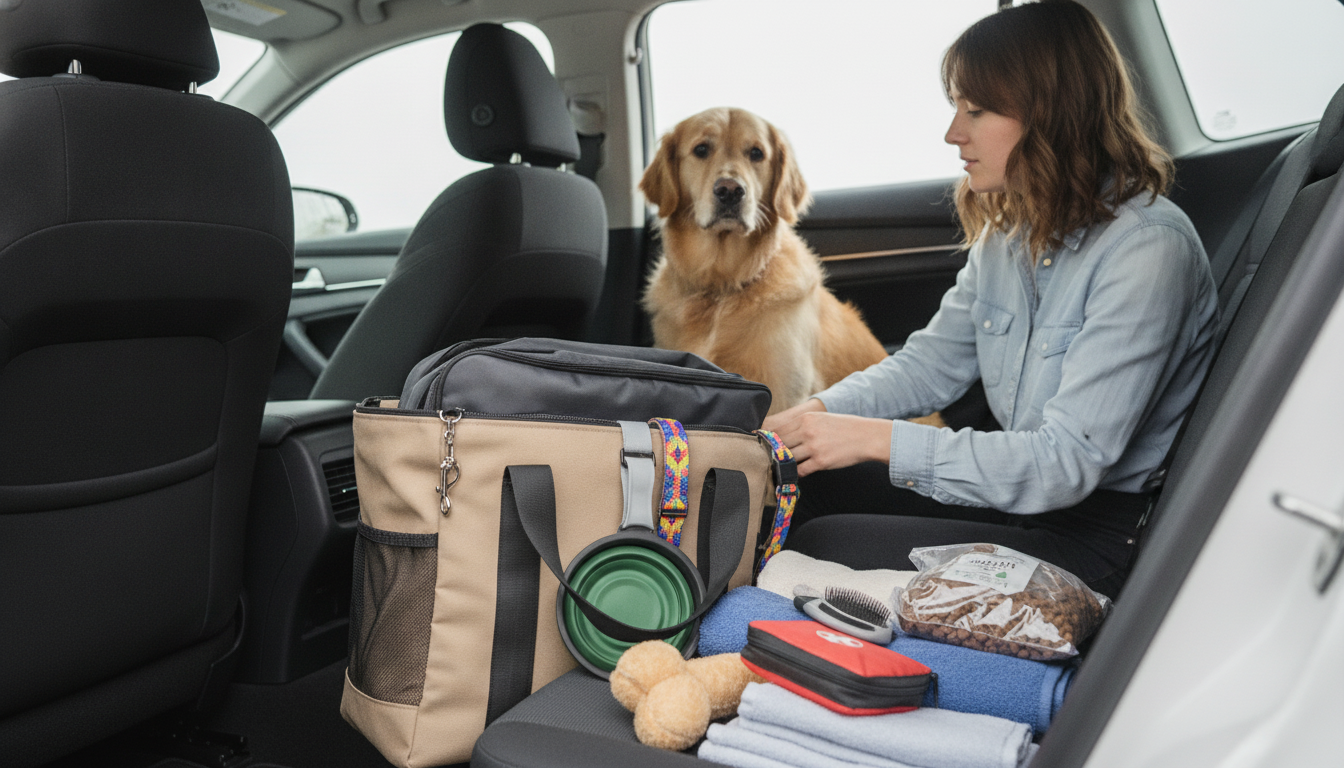
What essentials do you need to travel with a dog?
Traveling with a dog goes smoothly when you pack for safety, identification, comfort, and cleanup—plus a plan for meals, water, and emergencies. Whether you’re headed out for a quick road trip or a longer vacation, the right basics help prevent avoidable stress and keep your pup secure in new places.
1) Safety and restraint
A crash-tested harness or secured travel carrier is one of the most important essentials. It keeps your dog from moving around the car and reduces injury risk during sudden stops. Bring a standard leash, a backup leash, and a well-fitted collar or harness for walks and rest stops.
2) ID and travel documents
Pack a collar tag with your current phone number and consider a microchip check before you go. Carry proof of rabies vaccination and any required health records, especially if you’re crossing state lines, staying in lodging, or using boarding/daycare during the trip.
3) Food, water, and feeding gear
Bring enough of your dog’s usual food for the full trip plus extra in case of delays. Pack collapsible bowls, bottled water or a refillable water jug, and treats for rewarding calm behavior. If your dog has a sensitive stomach, include any vet-recommended supplements and avoid switching foods mid-trip.
4) Comfort items and weather protection
Include a familiar blanket or towel to help your dog settle in unfamiliar environments. Add a cooling towel for hot climates or a dog jacket for cold weather, along with paw protection if you’ll encounter hot pavement, sand, or icy sidewalks.
5) Cleanup and hygiene kit
Waste bags are non-negotiable. Add pet wipes, paper towels, an enzyme cleaner for accidents, and a small trash bag for used wipes and waste bags. A lint roller can also be helpful for car seats and hotel furniture.
6) First aid and medication
Pack any prescriptions, flea/tick prevention, and a basic pet first-aid kit (gauze, antiseptic wipes, tweezers, and bandage wrap). Keep your vet’s number and the address of an emergency clinic near your destination.
For a complete, packable checklist and trip-planning tips, visit the full guide: Pet Travel Essentials Checklist for Road Trips and Vacations.
FAQ
How often should you stop on a road trip with a dog?
Plan a break about every 2–3 hours for water, a potty break, and a short walk. Puppies, seniors, and dogs with medical needs may require more frequent stops.











Leave a comment