Pet Travel Essentials Checklist: Road Trip & Vacation Pack
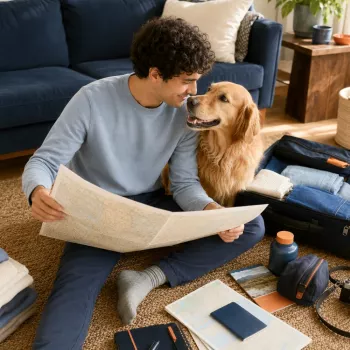
Pet Travel Essentials Checklist for Safer, Smoother Trips (Dogs & Cats)
A calm, prepared trip starts with the right gear, documents, and routines. Whether you’re heading out for a quick road trip or a multi-day vacation, a simple packing plan helps cover the essentials: safety, comfort, feeding, cleanup, and emergencies—without last-minute scrambling. For more guidance, see People and Pets…Better Together! – PAWS/LA.
If you like having everything in one place, the Printable Pet Travel Essentials Checklist and Planner is an easy way to pack faster and forget less—especially when you’re juggling leashes, carriers, and hotel check-in all at once. For further reading, see Welcome to SGU | Resources for Accepted Students.
Start With Safety: Identification, Restraints, and a Travel-Ready Setup
Before you think about treats or toys, set up the basics that keep your pet secure and easy to identify if anything goes sideways.
- Confirm ID basics: collar with a readable tag, microchip registered to your current phone/email, and a recent photo saved on your phone (full-body and close-up).
- Choose secure travel containment: a crash-tested harness/seatbelt for dogs; a secured carrier for cats and small dogs; or a travel crate for longer drives and frequent stops.
- Bring backups for hardware failures: pack a spare leash and a backup connector (carabiner or spare clip) in the travel bag.
- Plan temperature control: use window shades and consider a battery fan for carriers; never leave pets unattended in a parked car.
- Add light for low visibility: a clip-on LED for a leash/collar and a small flashlight can make nighttime bathroom breaks and “dropped item” searches much easier.
Health and Paperwork: What to Bring Before Anything Else
Health items and documents are the hardest to replace on the road—so they’re worth double-checking first. For broad travel safety guidance, see the American Veterinary Medical Association (AVMA) traveling with your pet page and the CDC pet travel hub for destination rules and updates.
- Vaccination records and required documents: keep printed copies or a clearly labeled folder on your phone—especially helpful for lodging, boarding, or crossing state/country lines.
- Medications (with a buffer): bring meds in original containers with dosing instructions, plus 2–3 extra days in case plans change.
- Parasite prevention: keep flea/tick/heartworm prevention on schedule; add a tick remover tool for wooded or grassy destinations.
- Pet first-aid kit: include gauze, antiseptic wipes, tweezers, styptic powder, a digital thermometer, and disposable gloves.
- Emergency contacts: save your primary vet, a 24/7 emergency clinic near your destination, and pet poison helpline numbers.
| Category | Pack | Prep Before Leaving |
|---|---|---|
| Vaccines & records | Printed or digital copies | Confirm lodging/airline requirements |
| Medications | Full supply + extra days | Refill prescriptions; set reminders |
| First aid | Compact kit + tick tool | Review how to handle minor injuries |
| Emergency info | Vet numbers + poison hotline | Find nearest 24/7 clinic en route |
| Calming aids | Vet-approved options | Trial run at home before travel day |
Food, Water, and Feeding Routine on the Go
Stomach upset is one of the most common travel curveballs. The best prevention is consistency—same food, similar timing, and easy access to water.
- Pack more food than you think: bring enough for the full trip plus extra days, so you don’t have to switch brands unexpectedly.
- Pre-portion meals: measured servings in labeled bags/containers make feeding quick during late arrivals or early departures.
- Hydration setup: collapsible bowls and a dedicated water bottle/dispenser keep stops efficient and reduce spills.
- Comfort treats: bring familiar treats for positive reinforcement during transitions (hotel hallways, elevators, new outdoor spaces).
- Motion sensitivity: keep meals smaller and avoid a full meal right before driving if your pet gets nauseous.
Comfort and Sleep: Keeping Dogs and Cats Settled Away From Home
Pets relax faster when their environment feels predictable. A few familiar items can turn a strange room into a manageable “home base.”
- Bring scent comfort: a small bed or blanket that smells like home and one favorite toy.
- Cat-specific calming setup: a carrier cover, calming pheromone spray (used as directed), and a quiet “safe corner” at the destination.
- Dog downtime support: a chew or long-lasting enrichment item for quiet time in pet-friendly lodging.
- Grooming basics: brush/comb, pet-safe wipes, and a towel for wet paws or rainy arrivals.
- Noise/light control: a white-noise app, crate cover, or even a door draft stopper can reduce hallway sounds in hotels.
Cleanup and Courtesy: Mess-Free Travel and Pet-Friendly Stays
Road Trip Rhythm: Stops, Exercise, and Reducing Stress
Printable Pet Travel Planner: Pack Faster, Forget Less
| Category | Must-Pack Essentials | Nice-to-Have Upgrades |
|---|---|---|
| Safety & ID | Collar/tag, leash, carrier/harness, recent photo | LED light, spare clip, reflective gear |
| Health | Records, meds, first-aid kit | Tick remover, calming pheromones (as directed) |
| Food & water | Food, treats, bowls, water bottle | Pre-portioned meals, slow feeder |
| Cleanup | Waste bags, wipes, enzyme cleaner | Waterproof seat cover, lint roller |
| Comfort | Bed/blanket, favorite toy | White-noise app, crate cover |
Helpful Digital Downloads for Travel Days
- Pet Travel Essentials Checklist for Safe Trips | Printable Pet Travel Planner | Road Trip & Vacation Packing List for Dogs & Cats — a ready-to-print system for packing, car-access organization, and trip-specific add-ons.
- The Smart Traveler’s Guide to Global Etiquette | Digital Download eBook for Cultural Tips, Travel Etiquette, and International Manners — a useful companion if your itinerary includes international stops, new cultures, or unfamiliar lodging expectations.
FAQ
What essentials do you need to travel with a dog?
Bring a secure restraint (crash-tested harness/seatbelt or crate), current ID and records, food and water gear, medications and a basic first-aid kit, and reliable cleanup supplies. Plan regular stops for water and safe bathroom breaks, and keep your dog secured any time a car door opens.











Leave a comment